
Hook Lift and Load Lugger are both container-handling systems, but they serve different capacities and operating needs. The right choice depends on waste type, volume, site access and the space available for the lifting vehicle.
When Hook Lift makes sense
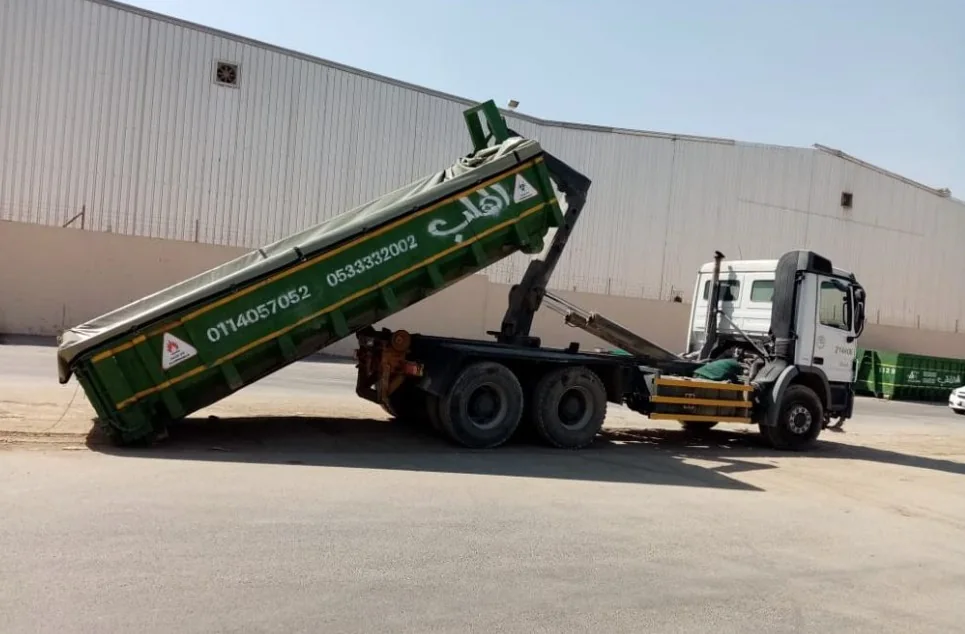
Hook Lift is associated with the larger 20 and 30 yd³ containers. The 20 yd³ option suits demolition, renovation and medium projects, while the 30 yd³ size is designed for larger volumes and selected lightweight contracting waste.
How Hook Lift works
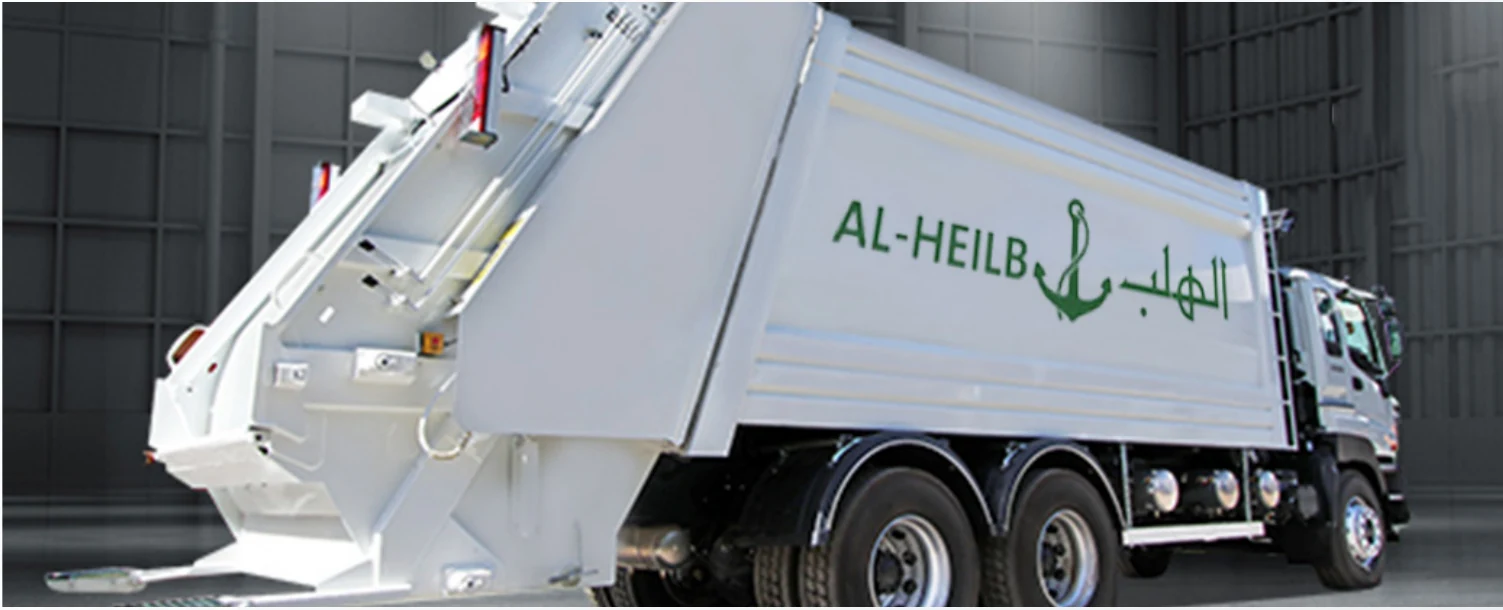
When the container is full, it is lifted onto the truck using the hook-lift system and transported according to the service plan. The site therefore needs suitable vehicle access and working space.
When Load Lugger makes sense
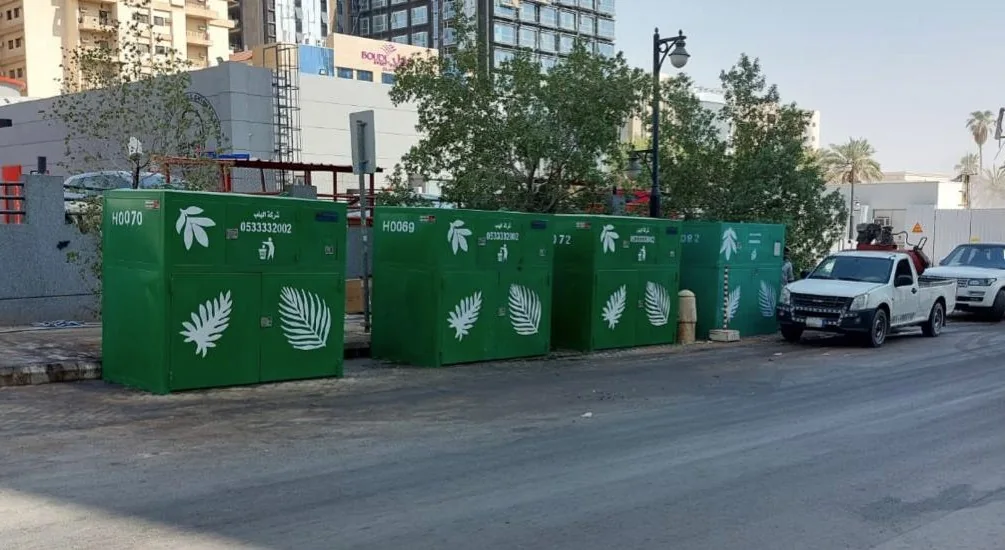
The 12 yd³ Load Lugger container is a medium-capacity option for solid, organic and selected decoration or renovation waste. It can suit commercial and residential complexes, schools and similar environments depending on volume and waste type.
The practical difference
For demolition, renovation or larger project waste, Hook Lift is usually the stronger match. For medium-volume solid or organic waste, the 12 yd³ Load Lugger may be more practical.
Start with your site, not the container name
Share the waste type, approximate volume and project location, and the AL-HEILB team can discuss the capacity and lifting system that best fits the operating requirement.
Working space is a key factor
Project containers depend on the lifting vehicle. The container must be positioned where the truck can reach it and complete the lifting movement. A technically suitable system may still be impractical if the site is tight or vehicle movement is restricted.
Do not choose by capacity alone
Waste type, approximate weight, lifting frequency, project conditions and vehicle access all matter. These factors help determine whether Hook Lift or Load Lugger is the better operating fit.
When should the choice be reviewed?
If waste volumes change during a project, the container fills faster than expected, or lifting begins to disrupt site activity, it may be worth reviewing the capacity or lifting system instead of continuing with the original setup.