
The biggest container is not always the best choice. A good decision starts with the type of waste generated, expected volume, available working space and the required lifting frequency. AL-HEILB offers options ranging from small daily-use containers to 30 yd³ project containers.
Start with the waste stream
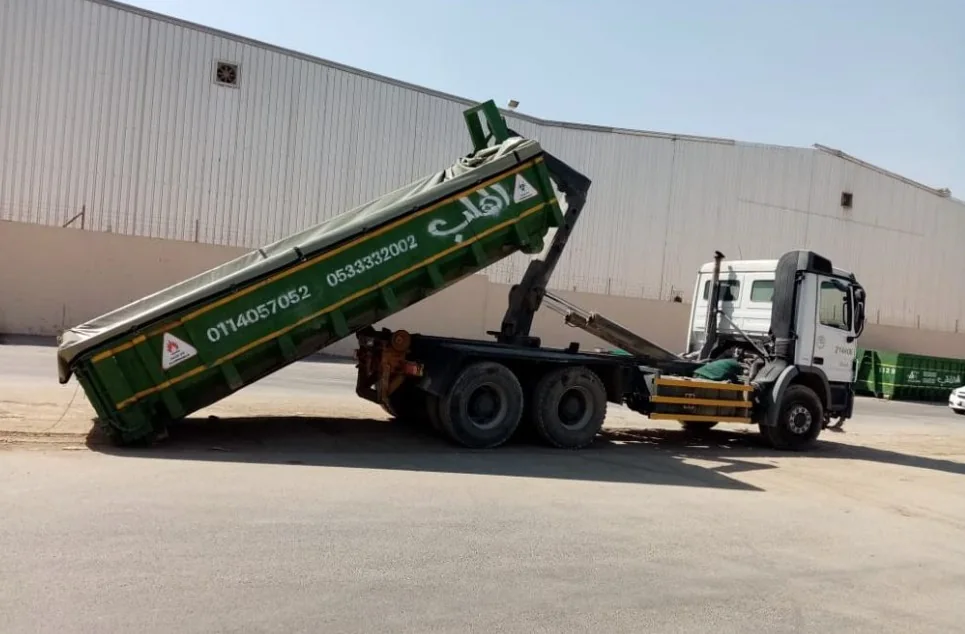
Restaurants, residential complexes and construction sites generate very different waste. Daily or organic waste may suit smaller covered or open containers, while project waste and larger volumes may require Hook Lift containers.
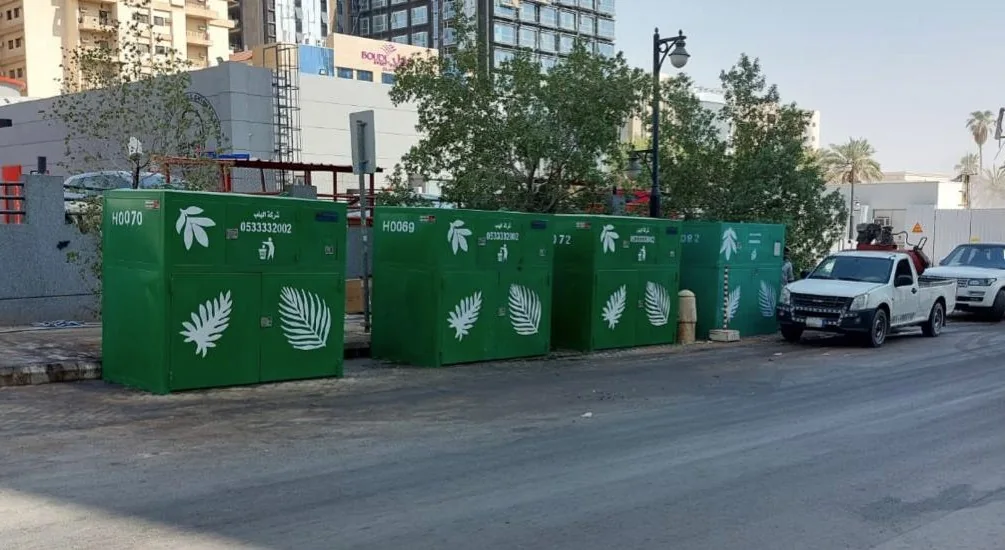
2, 4 and 6 yd³ for daily requirements
These capacities cover many commercial, residential, school and food-service applications. Covered options are available for selected waste streams where better containment is useful.
12 yd³ Load Lugger for medium requirements
The 12 yd³ Load Lugger option suits solid, organic and selected renovation waste, creating a middle ground between smaller daily-use containers and larger project containers.
20 and 30 yd³ Hook Lift for projects and larger volumes
The 20 yd³ size fits demolition, renovation and medium projects, while the 30 yd³ option is intended for larger volumes and selected lightweight contracting waste.
Lifting method matters
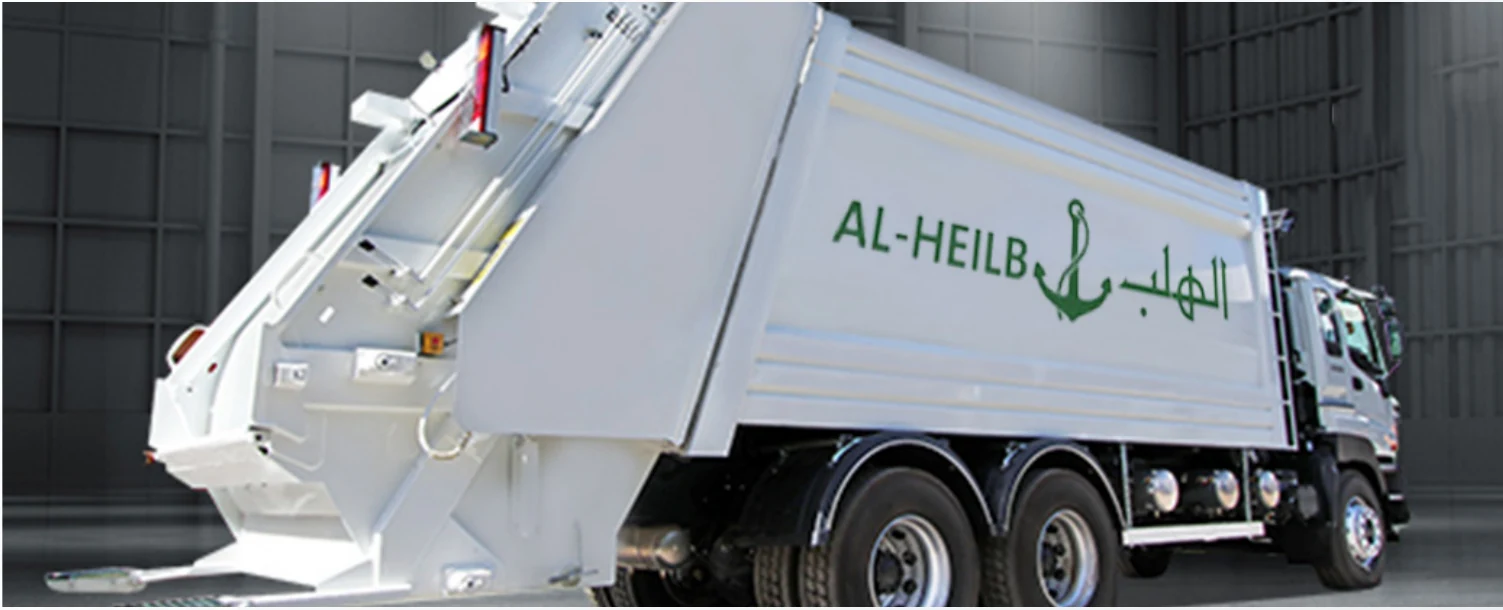
Vehicle access and room to lift the container are just as important as capacity. Site layout should therefore be considered before selecting Hook Lift, Load Lugger or a standard container.
Information that helps us recommend a size
- Activity or project type.
- Waste stream.
- Approximate volume.
- Project location.
- Required lifting frequency, if known.
With these details, container selection becomes a site-specific decision rather than a simple size comparison.
How collection frequency changes the capacity decision
A site producing a moderate daily volume with frequent collection may not need the same container as a site where waste remains longer between lifts. Capacity and collection frequency should be considered together; a larger container is not automatically more efficient if site access or operating space does not support it.
A common mistake: choosing the container before choosing its location
A capacity may look right on paper but fail operationally if the truck cannot approach or lift the container safely. Confirming the container position and vehicle path before final selection helps avoid access problems later.