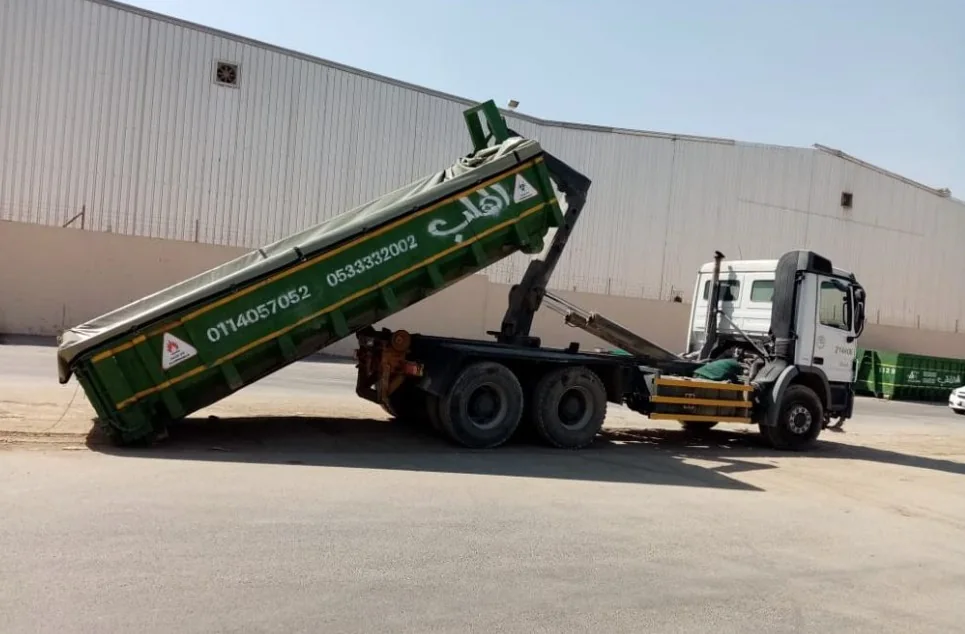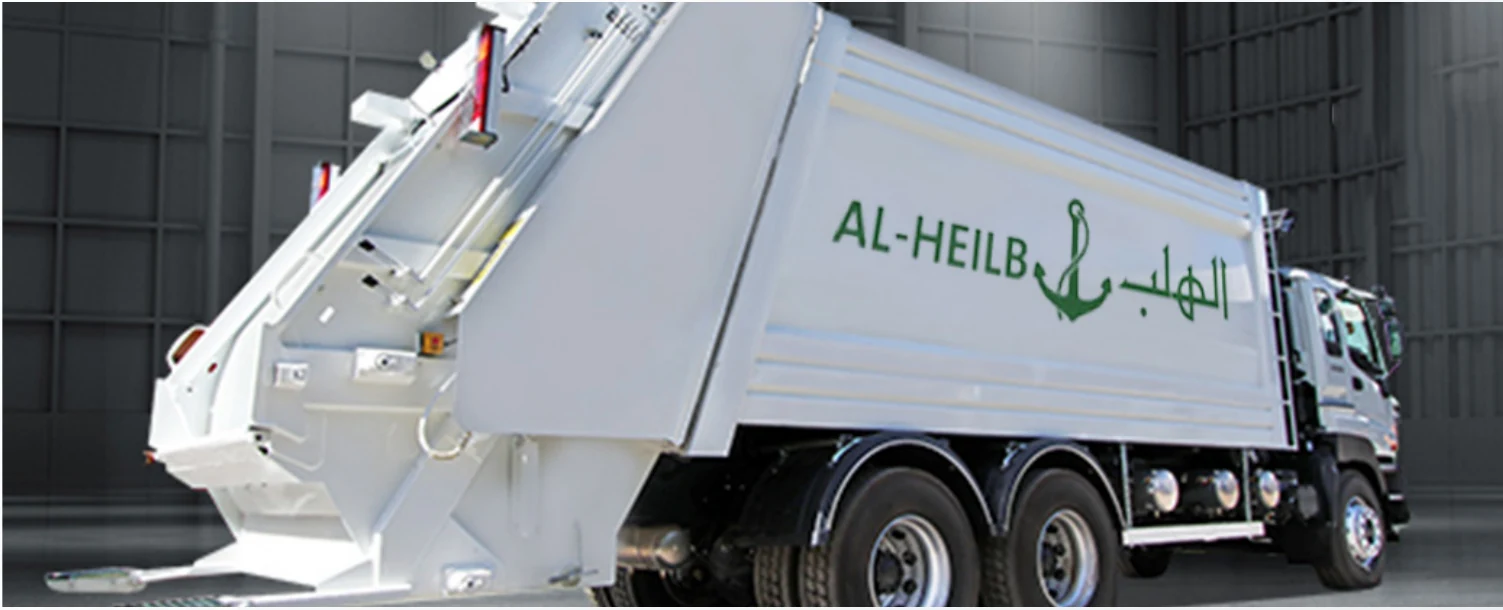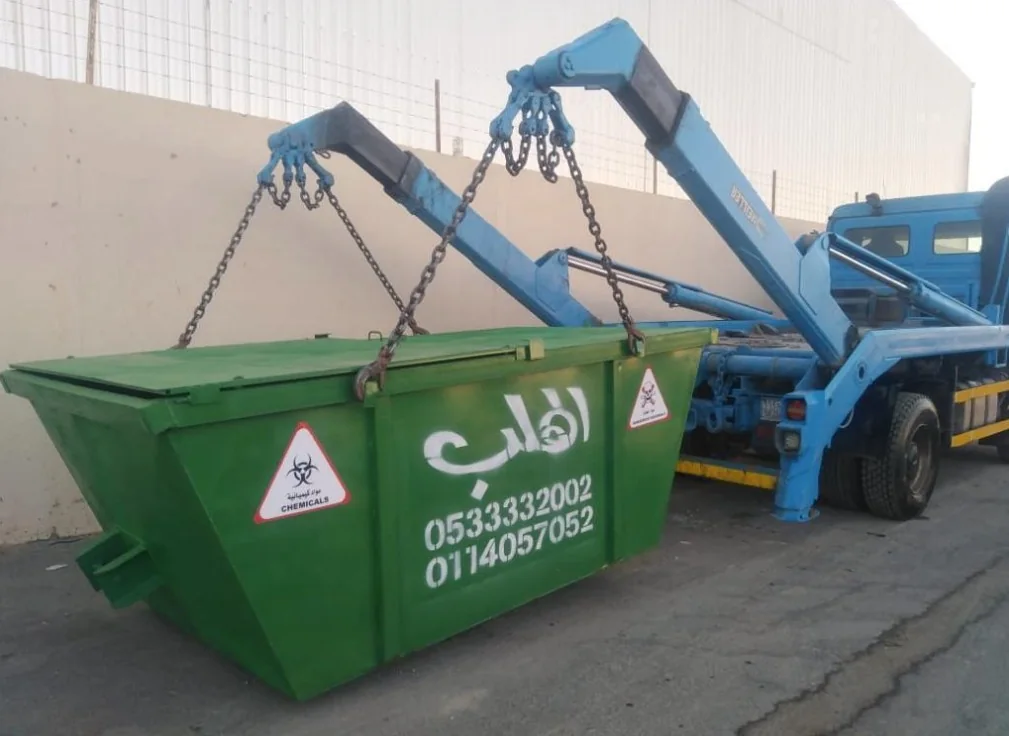

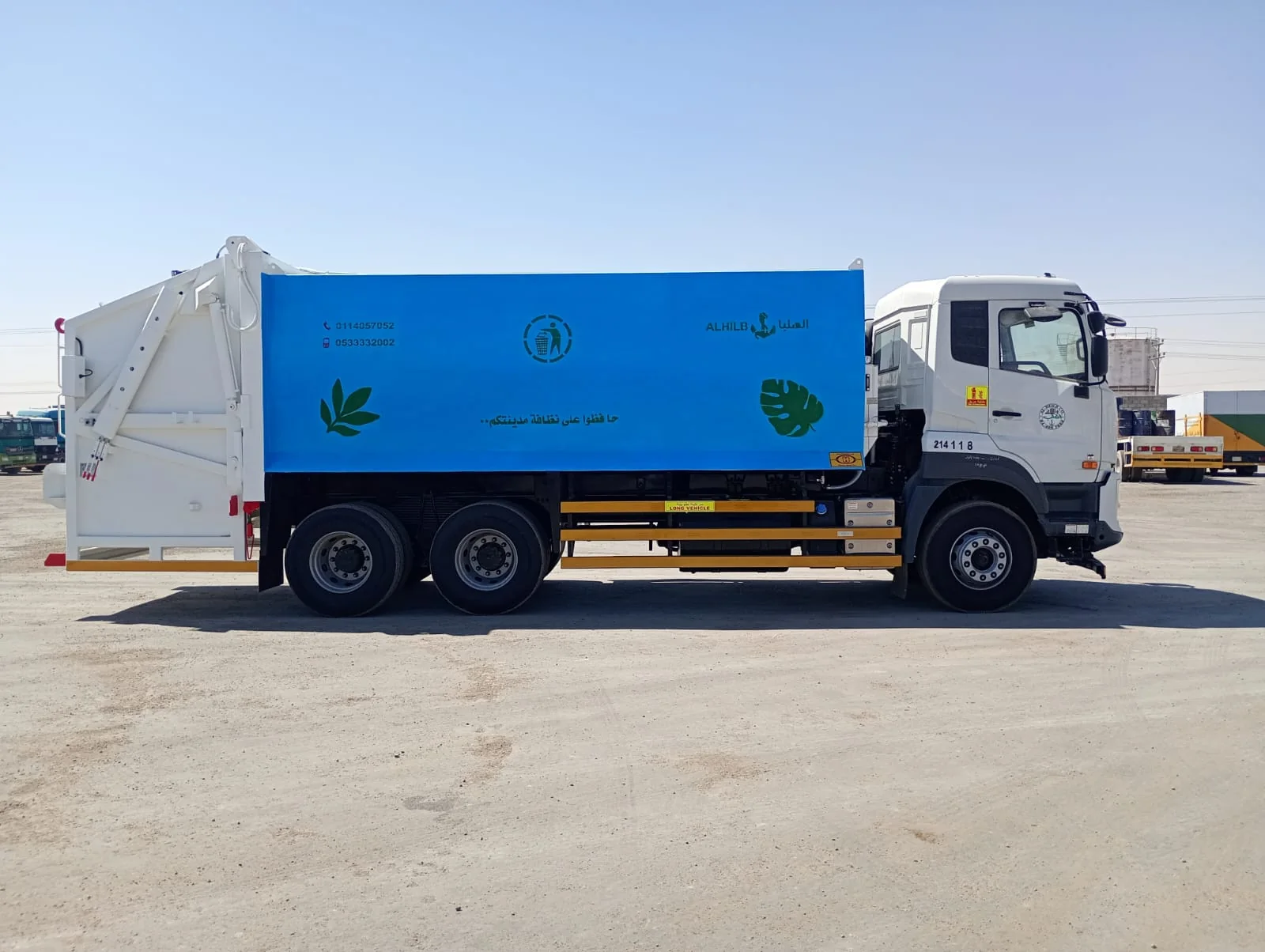
Municipal waste can include household waste, renovation and construction waste, furniture and selected solid or electrical waste streams. That range explains why the right equipment changes from one site to another.
Residential and commercial complexes
These sites often need containers sized around daily waste volumes and collection frequency, with capacity matched to the scale of the property.
Restaurants and cafés
Covered options can help organize daily and organic waste where containment and cleanliness at the collection point are important.
Projects and construction sites
Demolition and renovation waste typically requires larger capacities. Hook Lift containers in 20 and 30 yd³ sizes can support project waste according to volume and site conditions.
When a compactor becomes useful
If waste volumes are high or smaller containers require frequent emptying, a compaction system may improve operating efficiency. The choice between mobile, stationary and vertical systems depends on the site.
Four details that define the starting point
- Site type.
- Waste stream.
- Approximate volume.
- Required lifting or transport frequency.
With these details, it becomes easier to match the site with the appropriate container capacity or compaction system.
Collection frequency shapes the solution
A site producing a steady daily volume may work well with smaller containers and scheduled lifting, while a project generating waste in batches may need a larger container lifted when full. Capacity and frequency need to work together.
Equipment choice must reflect site space
Containers and compactors require suitable placement and vehicle access. Confirming the available approach and lifting area is especially important in complexes and sites with restricted circulation.
When should the solution be reviewed?
If volumes rise, containers fill faster than expected or transport frequency increases, it may be time to review capacity or move toward compaction. A good waste solution evolves with site conditions.