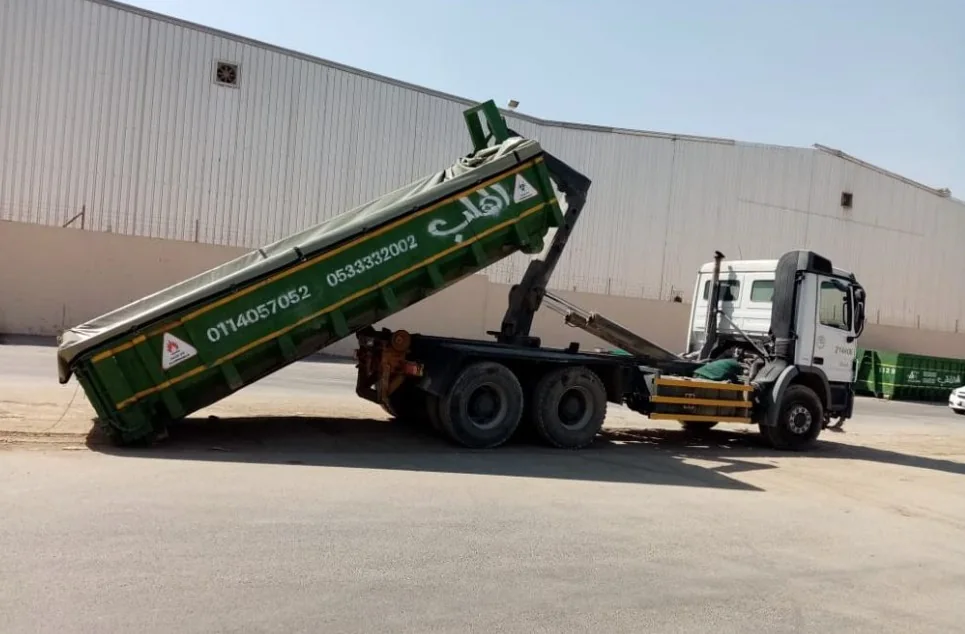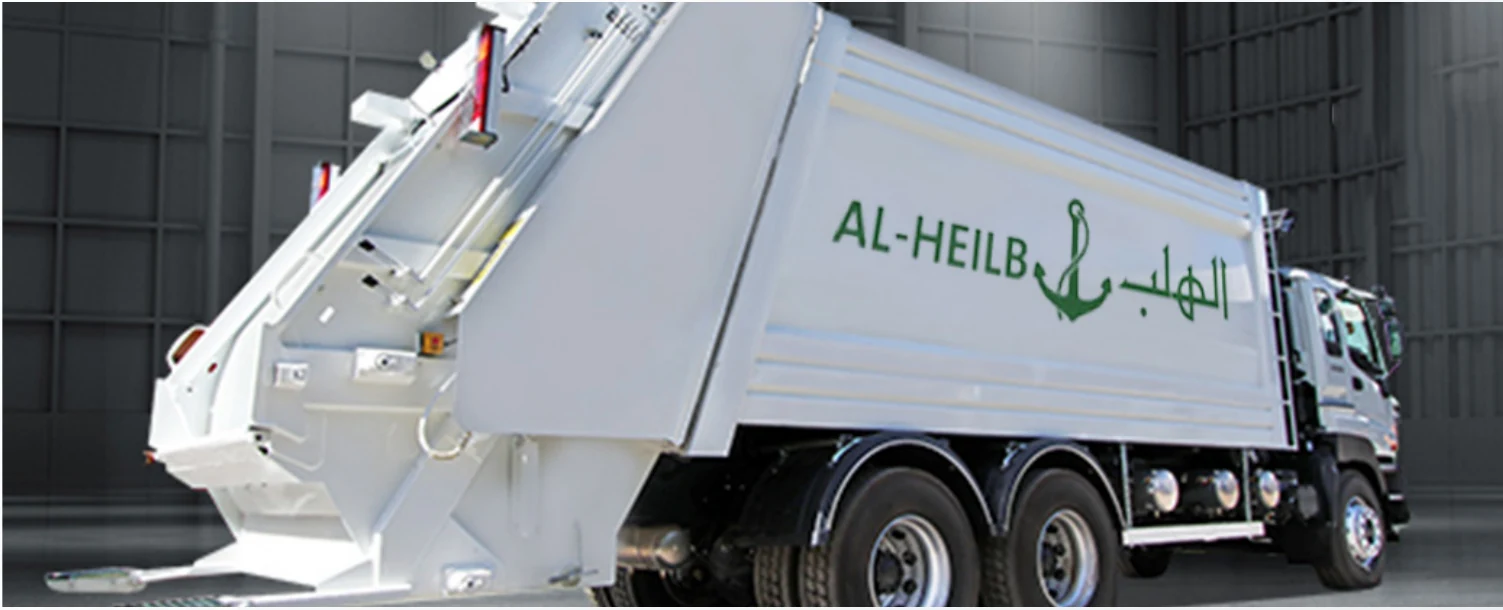

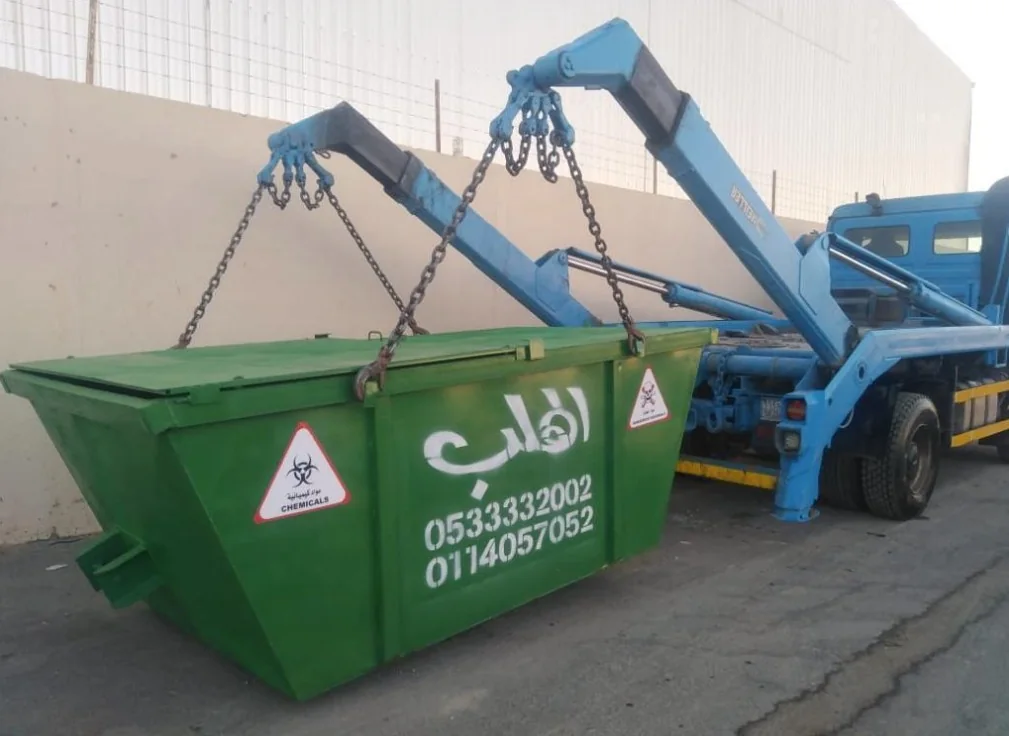
Hazardous waste is not a single waste stream. The service starts by identifying the material, its physical condition, approximate volume and site location. AL-HEILB handles a defined group of hazardous-waste streams through a specialized collection and transport route.
Chemical waste
Chemical waste requires clear identification before the collection and transport method can be discussed, because handling needs vary with the material and its condition.
Sludge and waste oils
These streams may require transport methods different from solid waste, including vacuum equipment or containers depending on the operating need.
Carbon ash and asbestos
These materials should not be mixed with ordinary municipal or construction waste. Their collection and transport route should reflect the material, quantity and site conditions.
Electronic waste and batteries
Electronic waste and batteries are also handled through the specialized hazardous-waste route.
Containers and vacuum equipment
The appropriate transport method depends on the condition of the waste and the site. That is why the service cannot be defined properly without basic information about the waste stream.
What to provide when you enquire
- Waste type or available description.
- Approximate volume.
- Facility location.
- Current storage method.
From there, the team can discuss the collection and transport route, while the Licenses page remains available for regulatory scope details.
Why these waste streams should be separated from general waste
Mixing hazardous waste with municipal or general site waste makes collection and transport more complex and may lead to an unsuitable transport method. Early separation helps define the correct container, vacuum requirement and service route.
Physical condition matters as much as waste type
Liquid or semi-liquid material cannot be handled in the same way as solid waste. A clear description of the material condition, volume and current storage arrangement helps determine the appropriate transport method.
Current storage tells us a lot about the requirement
Knowing whether the waste is stored in containers, tanks or a dedicated area provides useful information about lifting, access and transport needs and reduces the risk of proposing a generic solution that does not fit the site.